
Rare PBM Mariner and Related Training Documents Land on AirCorps Library
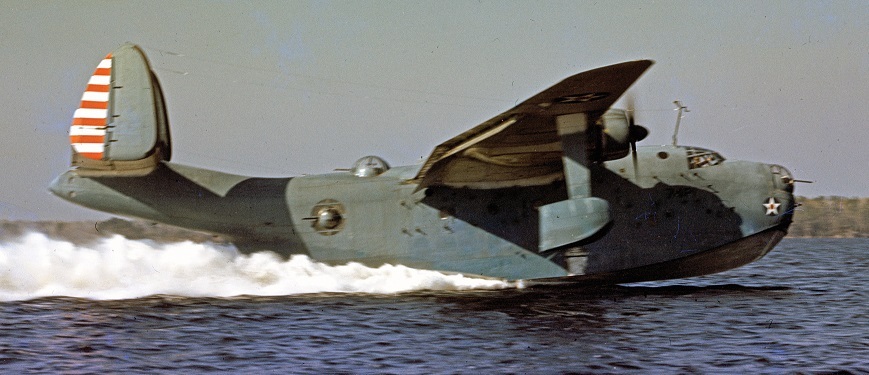
- Flight Training Syllabus for PBM Aircraft at United States Naval Air Station Banana River, Florida
- Dated: 12-Oct-1945
- Instrument Patterns Required for Flight Training Syllabus for PBM Aircraft
- Air Force Atlantic Fleet Technical Letter No. 14TL-44 - Single Engine Operation for PBM-3D Airplane
- File No. FF13-2-F21 A5 Serial (6620), Dated: 8-July-1944
- Operation of Single-Stage Two-Speed Superchargers
- Maint Department Order No. 23-45, Dated: 15-Nov-1945
- Power Setting for PMB-5 Airplanes
- Maint Department Order No. 24-45, Dated: 17-Nov-1945
- Applied Aerology
- Dated: 1-July-1944
- Standardization Manual Prepared for VPB2, O.T.U. #3 at U.S. Naval Air Station Banana River
- Dated: Apr-1945
- Information Concerning Improper Clearance of Aircraft
- Safety Department Memorandum 1-45
Lieutenant Clark Slayman's Story
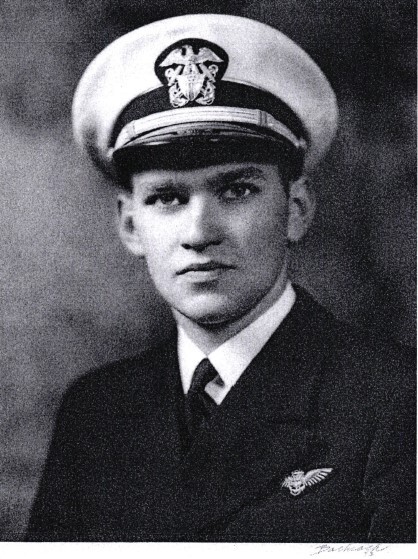
The earliest dated documents in the Slayman collection are from July of 1944 and include a copy of Applied Aerology, which highlights important weather knowledge for pilots, and an Air Force Atlantic Fleet Technical Letter (14TL-44, Dated: 8-July-1944) detailing single-engine performance data for the PBM-3D.
Also in the collection are documents that pick up Lt. Slayman’s story five months later, in November, when the Air Force temporarily assigned him to Patrol Bombing Squadron 22 (VP-22). A Patrol Bomber history page includes a 2009 quote from Slayman describing his service.
“I served with VP-208 and VP-26 / VPB-26 (PPC) from 1944 to 1945 (Crew 9). We shook down in Charleston, S.C., went aboard in Okinawa - Karama Rhetto and relocated to USNB Buckner Bay. We encountered heavy Kamikaze attacks, but the USS Norton Sound (AV-11) survived..."
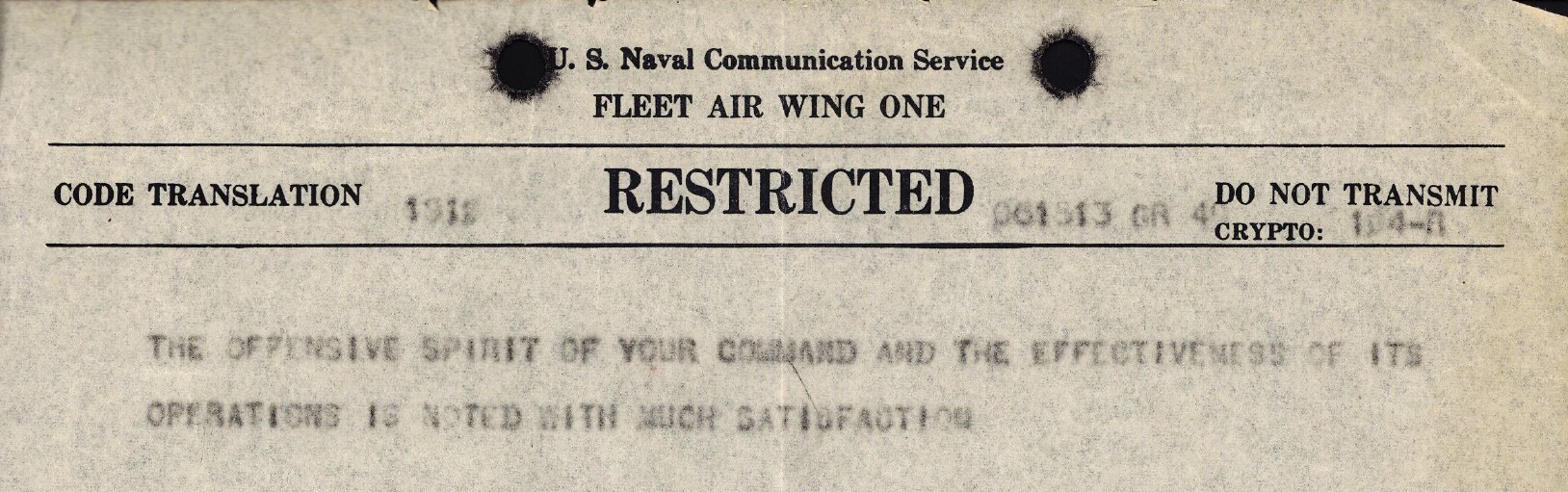
In May of 1945, Lt. Slayman would receive a notification from U.S. Navy Communication Service expressing satisfaction, touting the “offensive spirit of his command and the effectiveness of its operations.” Two days later, on May 10th he would receive a notice appointing him to the rank of Lieutenant.
We don’t have a detailed record of Lt. Slayman’s Service, but the training documents suggest that immediately following the war, he became an instructor for an Operational Training Unit (O.T.U.) for PBM aircraft at Naval Air Station Banana River in Florida.
Those documents include the Flight Training Syllabus for PBM Aircraft (12-Oct-1945), a memo outlining OTU instructor availability (5-Nov.-1945), and the Standardization Manual Prepared for VPB2, O.T.U #3 at Naval Air Station Banana River (Apr-1945).
The Standardization Manual detailed how students should be taught everything from taxiing and take-off on water and land, to instruments, navigation, and communication.
One area of the Standardization Manual that AirCorps Library members may find especially interesting are the engine operating limitation for the PBM-5’s R-2800-22 engines, and the operation of the Single-Stage Two-Speed Superchargers.
Following his service, Slayman graduated from the University of Michigan, married, and worked as an advertising executive.
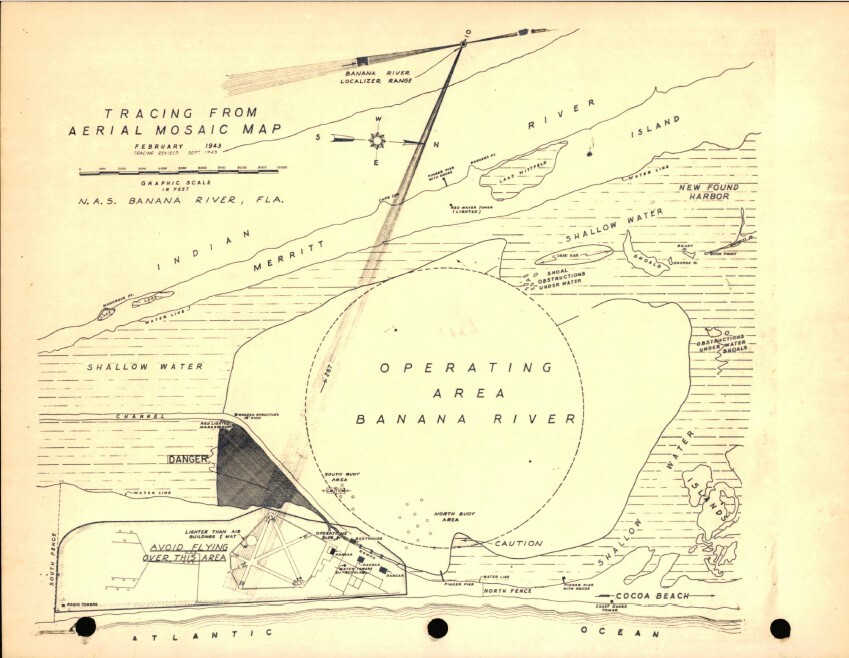
PBM's Phased Out - N.A.S Banana River Evolves
The Navy deactivated Naval Air Station Banana River in 1947. It would be transferred to the Air Force about a year later and renamed Patrick Air Force Base in 1950. Today it is known as Patrick Space Force Base, the home of the 45th Space Wing, and oversees operations at Cape Canaveral.
We are always looking for more PBM Mariner and other documents to add to AirCorps Library. If you have any to share - shoot us an email at admin@aircorpslibrary.com.